
/
Making skin health accessible for all: unveiling the challenges in diagnosing skin conditions on darker skin
The Question is No Longer ‘If’, but ‘When’
August 26, 2020
The skin is the largest organ of the human body and acts as a protective barrier between the external environment and the inside of the body, shielding the internal organs against heat, light, injury and infection. Yet, the journey to diagnose skin conditions, especially on darker skin tones, can be challenging and not well mapped. In a recent study, physicians were presented with 364 images spanning 46 skin diseases and asked to submit up to four differential diagnoses. The physicians were four percentage points less accurate for the diagnosis of images of dark skin as compared to light skin.
Inherent biases deeply rooted in medical research, literature, and education have led to a healthcare landscape skewed towards lighter skin, often leaving behind those with darker complexions. Doctors diagnose around one-quarter of melanoma cases in Black people when cancer has already spread to nearby lymph nodes. However, amidst these challenges, there are technological advancements, such as AI, that are helping to rectify this imbalance. In May 2024, Autoderm conducted a total of 18,359 analyses through the myGP app and identified 79 cases of melanoma. This equates to about 2-3 melanoma diagnoses per day. Given that approximately 46 melanomas are diagnosed daily across the UK, the cases detected via the myGP app represent about 5% of the total daily melanoma diagnoses in the UK population.
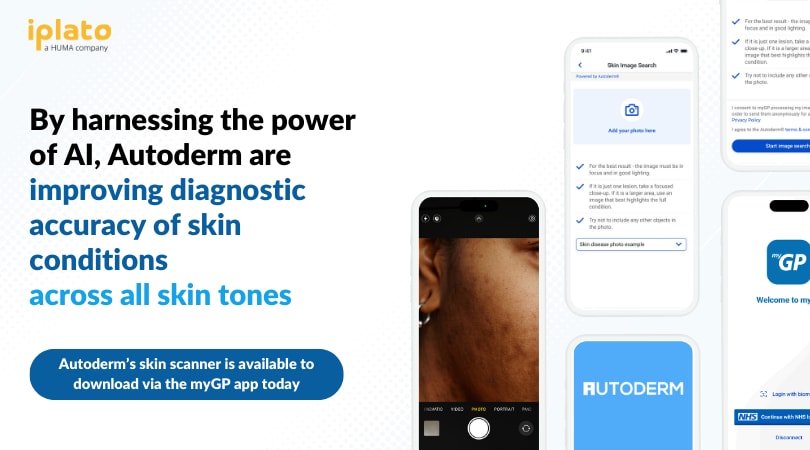
We recognise the need for equitable healthcare solutions for all. Through our partnership with Autoderm, launched in 2023 after years of clinical and AI research, are proud to offer their next generation skin scanner to our community of 3 million users via the myGP app.
The bias in dermatology towards lighter skin tones is a well-documented issue. From medical textbooks to research studies, most visual references and diagnostic criteria are based on observations of mainly fair-skinned individuals.This bias perpetuates a cycle of misdiagnosis and inadequate treatment for patients with darker skin, which can lead to unnecessary distress and prolonged health issues such as increased itching, dryness, skin thickening and hyperpigmentation.
Autoderm and the myGP app, however, are changing the game! By harnessing the power of AI, Autoderm helps improve diagnostic accuracy of skin conditions across all skin tones. Their approach analyses a diverse search engine of skin images (2 million+), encompassing various ethnicities and skin tones. Their algorithm is constantly evolving and learning along with their growing bank of images. Irrespective of skin tone, myGP users can use the tech to get likely answers quickly, easily and choose how to act on the insight.


© 2026 iPLATO. All rights reserved
Practice Area
/
Making skin health accessible for all: unveiling the challenges in diagnosing skin conditions on darker skin
The Question is No Longer ‘If’, but ‘When’
August 26, 2020
The skin is the largest organ of the human body and acts as a protective barrier between the external environment and the inside of the body, shielding the internal organs against heat, light, injury and infection. Yet, the journey to diagnose skin conditions, especially on darker skin tones, can be challenging and not well mapped. In a recent study, physicians were presented with 364 images spanning 46 skin diseases and asked to submit up to four differential diagnoses. The physicians were four percentage points less accurate for the diagnosis of images of dark skin as compared to light skin.
Inherent biases deeply rooted in medical research, literature, and education have led to a healthcare landscape skewed towards lighter skin, often leaving behind those with darker complexions. Doctors diagnose around one-quarter of melanoma cases in Black people when cancer has already spread to nearby lymph nodes. However, amidst these challenges, there are technological advancements, such as AI, that are helping to rectify this imbalance. In May 2024, Autoderm conducted a total of 18,359 analyses through the myGP app and identified 79 cases of melanoma. This equates to about 2-3 melanoma diagnoses per day. Given that approximately 46 melanomas are diagnosed daily across the UK, the cases detected via the myGP app represent about 5% of the total daily melanoma diagnoses in the UK population.
We recognise the need for equitable healthcare solutions for all. Through our partnership with Autoderm, launched in 2023 after years of clinical and AI research, are proud to offer their next generation skin scanner to our community of 3 million users via the myGP app.
The bias in dermatology towards lighter skin tones is a well-documented issue. From medical textbooks to research studies, most visual references and diagnostic criteria are based on observations of mainly fair-skinned individuals.This bias perpetuates a cycle of misdiagnosis and inadequate treatment for patients with darker skin, which can lead to unnecessary distress and prolonged health issues such as increased itching, dryness, skin thickening and hyperpigmentation.
Autoderm and the myGP app, however, are changing the game! By harnessing the power of AI, Autoderm helps improve diagnostic accuracy of skin conditions across all skin tones. Their approach analyses a diverse search engine of skin images (2 million+), encompassing various ethnicities and skin tones. Their algorithm is constantly evolving and learning along with their growing bank of images. Irrespective of skin tone, myGP users can use the tech to get likely answers quickly, easily and choose how to act on the insight.
© 2026 iPLATO. All rights reserved
The Question is No Longer ‘If’, but ‘When’
August 26, 2020
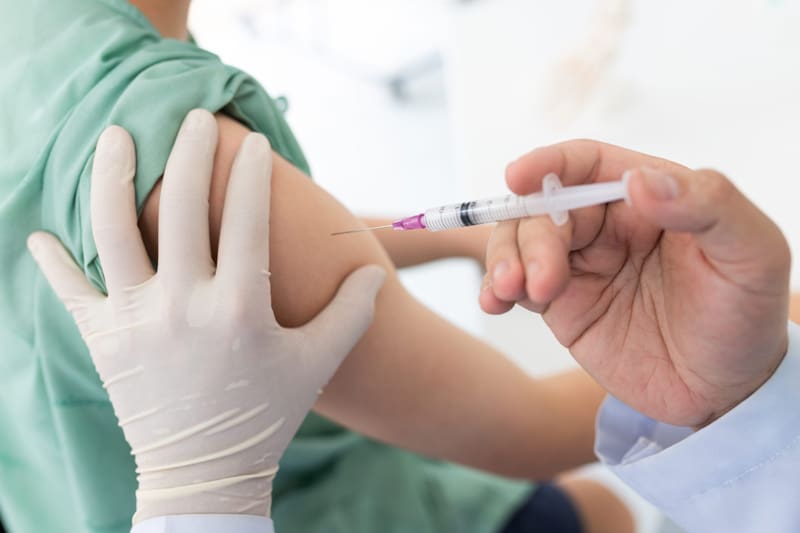
This coming flu season has been hailed as the ‘biggest ever’, and not without reason. This year will see a coming together of challenges: more people eligible for flu vaccination and continued concerns around a ‘second wave’ of COVID-19. As such, CCGs, STPs, and other regional NHS bodies have been busily planning how best to execute their flu vaccinations this Autumn/Winter.
myGP’s field team has been having varied discussions with customers new and old around what plans they are putting into place to help overcome the difficulties of social distancing and other Government mandates during this time. In some regions there are discussions around ‘drive-thru’ clinics; other areas are thinking of using barcodes.
Some GP practices are simply inviting patients in very small cohorts with designated times to be vaccinated. However, one issue remains for all immunisation teams, regardless of how creative their logistical action plans for administering this year’s ‘jab’: patients still need to be invited to vaccination and reminded to attend it.
A study in the BMJ (Study) which iPLATO contributed to showed that text messaging to invite patients for the flu vaccination increased uptake by 2.62%. Nationally, this would equate to an additional 786,000 more patients having a flu vaccination. Over the years, myGP has helped CCGs deliver flu campaigns through text messaging, secure data messaging on myGP, flu jab appointment booking on myGP specifically for at risk patients and signposting of alternative options on myGP.
What is the difference?
An evidence based multichannel digital engagement campaign to target 90% of the at-risk population.
- Allows invites to be sent at scale through multiple channels
- Reduced practice effort and variation as invites are managed by myGP and not the practice
- Selected patients can book into their appointment directly in the myGP app
- Invites can be sent in multiple languages to multiple selected groups
- Flexible solution to match local strategies and circumstances
- Messaging allows practices to invite patients to their appointment via SMS
- Patients can book into their appointment via the myGP app
- Ability to signpost alternative immunisation options (community pharmacy, etc) on myGP
The importance of administering flu jabs goes without saying under normal circumstances. And this year, given the myriad changes that have been brought about in the wake of COVID-19, the importance has increased exponentially. When that increased level of importance is coupled with the data around the efficacy of SMS reminders, the question no longer becomes ‘IF’ GP practices should adopt a solution like myGP’s Engagement Hub, but ‘WHEN’.
If you’re keen to learn more about our solution, we are hosting a FREE webinar on various dates in August. To register click here
Or if you prefer to read for yourself, here’s a link to our solution paper on the subject
On behalf of the whole team here at iPLATO, we remain, as ever… here to help.
Tobias Alpsten, CEO, iPLATO Healthcare Ltd.
© 2026 iPLATO. All rights reserved